
Transparent objects
Capture depth and surface structure of transparent objects by combining complementary sensing channels.
Trinity · Multimodal fusion camera
Trinity combines depth, polarization, RGB and 16-channel spectral sensing to perceive transparent and highly reflective objects. Its single-lens common-path architecture aligns complementary optical signals for depth reconstruction and material understanding.
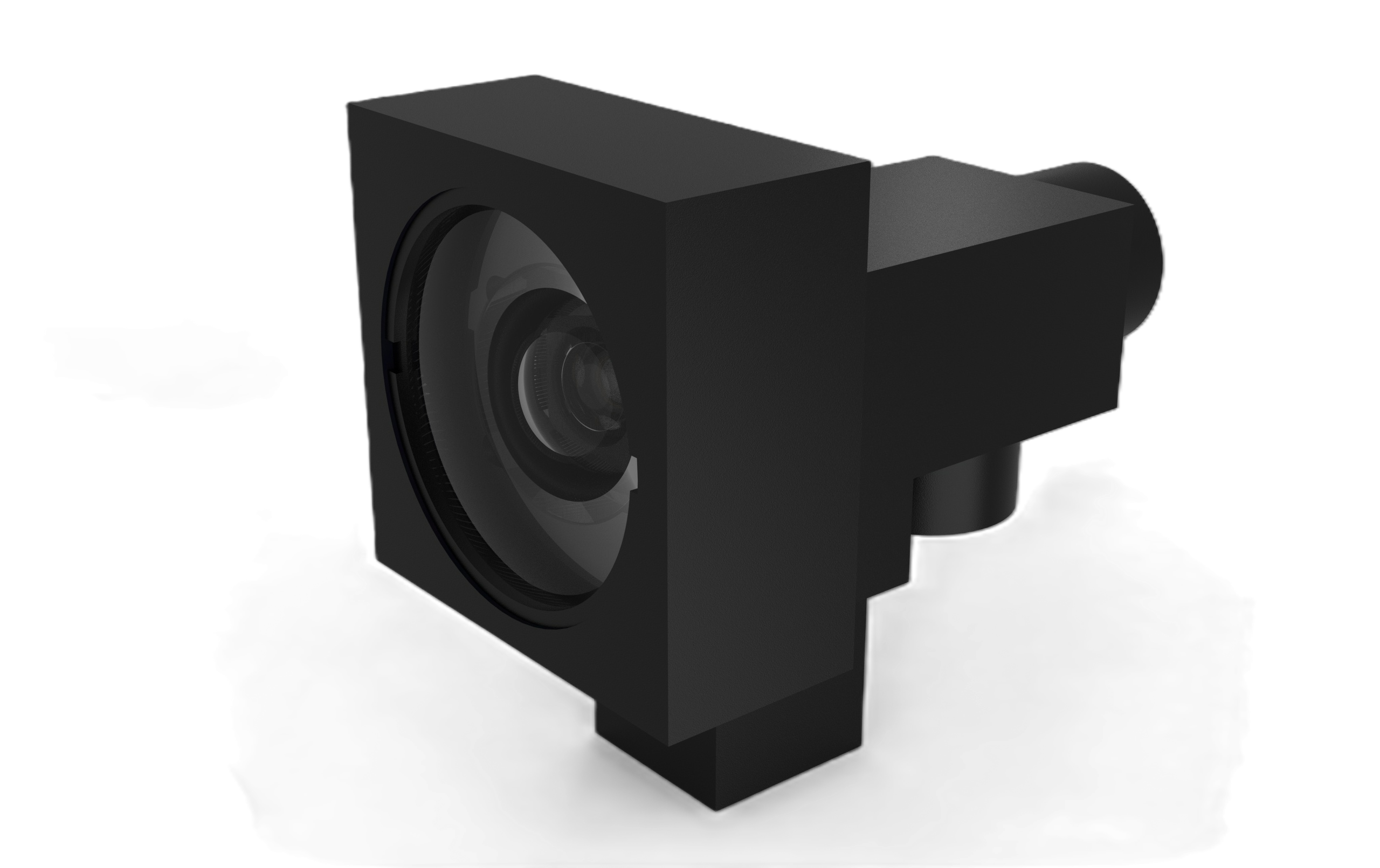
Transparency and strong reflections make surface geometry difficult to capture. Trinity combines polarization cues with depth measurements to support 3D perception of these challenging materials.
Capture depth and surface structure of transparent objects by combining complementary sensing channels.
Use polarization cues alongside depth sensing to reconstruct surfaces with strong reflections.
Combine depth geometry, polarization response and spectral information to capture physical properties beyond color and appearance.
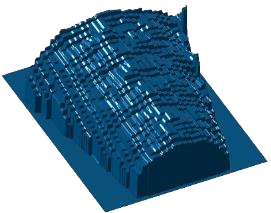
Capture the surface geometry that supports spatial measurement and reconstruction.
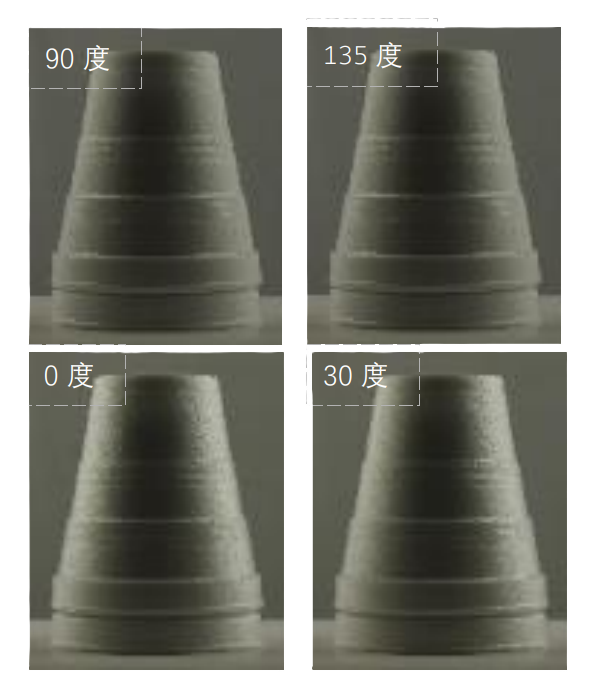
Different polarization angles reveal changes in surface reflection and material response.
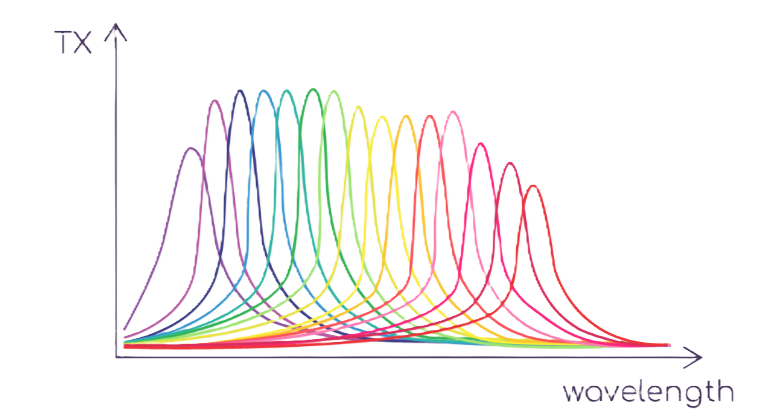
Spectral channels across 430–680 nm add wavelength information for material analysis.
Fuse complementary optical signals to reconstruct fine surface structure and support material-aware 3D perception.
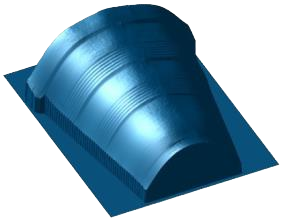
A shared optical viewpoint provides physical alignment across sensing channels without distance-dependent parallax.
Polarization and depth fusion supports 3D perception of transparent and highly reflective objects, while spectral information adds material cues.
A 70 × 50 × 40 mm module combines multiple sensing functions, with MIPI, USB-C and Ethernet interfaces.
Explore Trinity for medical robots, humanoid robots, smart factories and AI industrial inspection.
Discuss Trinity integration